


quiet garage gym, noise reduction for home gym, garage gym noise complaints
[The 6 AM Reality Check]
Let’s be real for a second. When I first started Build Garage Gym, I had this vision of me, a heavy barbell, and some loud rock music at 6:00 in the morning. It felt heroic… until my neighbor gave me “the look” over the fence, and my wife told me the house felt like it was having an earthquake every time I finished a set of deadlifts.
The truth is, garages are echo chambers. Concrete floors and metal plates are a recipe for noise complaints. I’m not an acoustics expert, but I’ve spent the last few months figuring out how to lift heavy without being “that guy” in the neighborhood. Here are the three things that actually worked for me.
[1. The Magic of “Crash Pads”]
If you only buy one thing to keep the peace, make it Crash Pads (sometimes called Silencer Pads).
I used to think these were for “weak” lifters who couldn’t control the bar. I was wrong. They are high-density foam blocks that you drop your barbell onto.
- The Result: They turn a “BANG” that travels through the ground into a soft “thud” that stays in the garage.
- My Take: They are cheaper than a divorce or a lawsuit from your HOA. If you deadlift or do any Olympic lifting, just get them. Your floor (and your family) will thank you.
[2. Rubber Over Iron: Choose Your Plates Wisely]
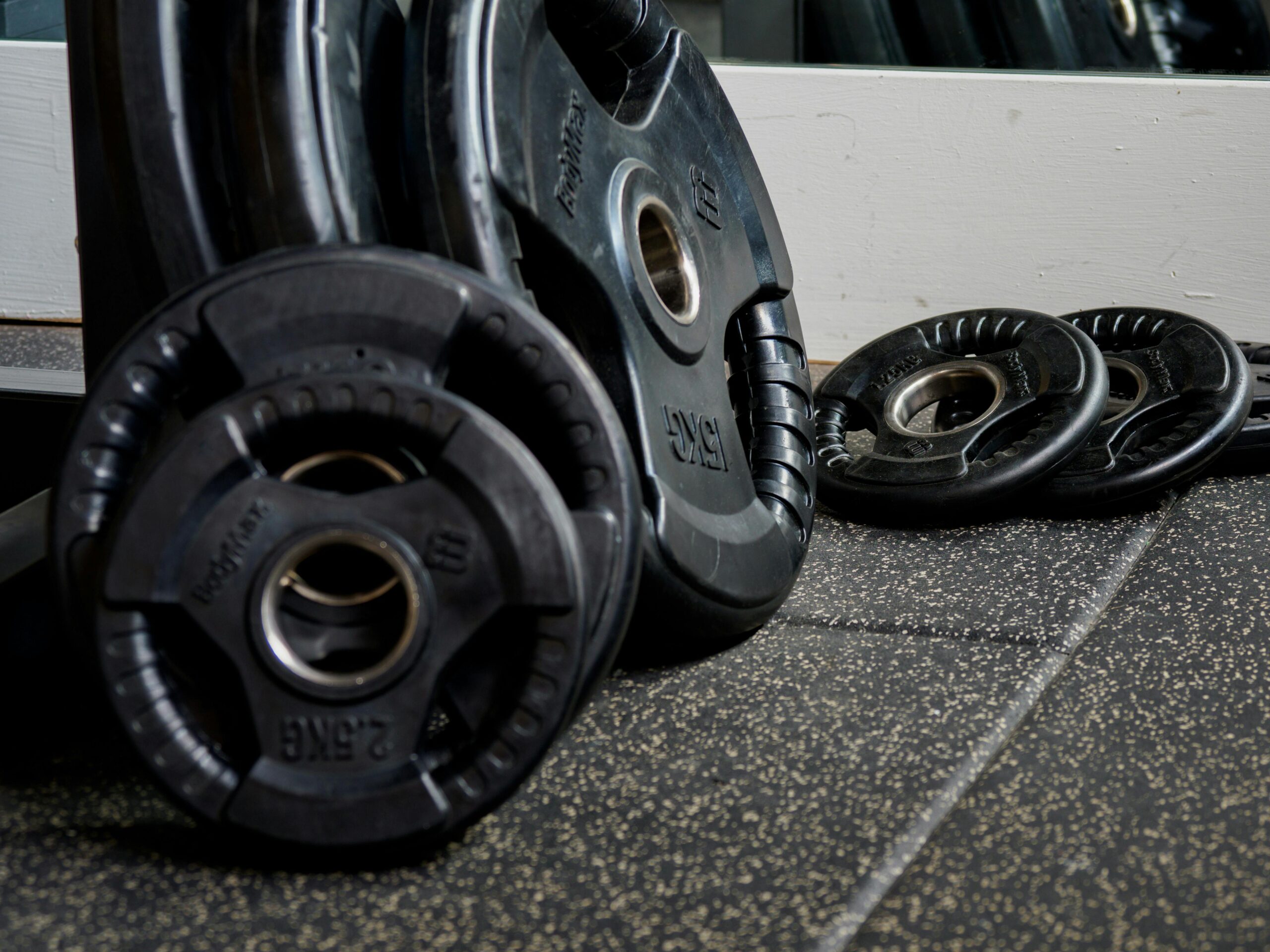
When I started, I bought the cheapest iron plates I could find on the used market. They worked great, but the “CLANK” of metal hitting metal is a high-pitched sound that travels through walls like a hot knife through butter.
- The Fix: I switched my main 45lb plates to Bumper Plates (the rubber ones).
- Why it helps: Even if you aren’t dropping the bar, rubber plates are much quieter when you’re loading the bar or doing rows. If you already have iron plates, you don’t have to throw them away—just make sure the first plate on each side is rubber to act as a buffer.
[3. Small Details, Big Silence]
Sometimes it’s not the weights; it’s the rack itself. Here are two “neighbor-friendly” tweaks I made:
- The “Barbell Sleeve” Hack: Some cheap racks have metal-on-metal contact where the barbell sits. I added a small strip of UHMW plastic tape (or even a piece of an old rubber floor mat) to the hooks. Now, when I re-rack the bar, it’s silent.
- Tighten Your Bolts: This sounds stupidly simple, but a squeaky rack is a loud rack. Every few weeks, I grab a wrench and tighten everything. A solid rack doesn’t vibrate as much, which means less noise.
[Conclusion: Peace and Progress]
You don’t need to soundproof your entire garage with expensive foam panels. In my experience, 90% of the noise comes from the floor. Fix the floor with some mats and pads, switch to rubber plates, and you can train whenever you want.
Building a garage gym is about freedom—and that includes the freedom to train at 5 AM without the cops showing up.
I’m still learning as I go. Did I miss a noise-canceling trick that worked for you? Drop a comment below and let me know. I’m always looking for ways to make my “Lab” a better place for me (and my neighbors).


Leave a Reply