
iron plates vs bumper plates, best weight plates for home gym, garage gym weight set
[1. What Is It?]
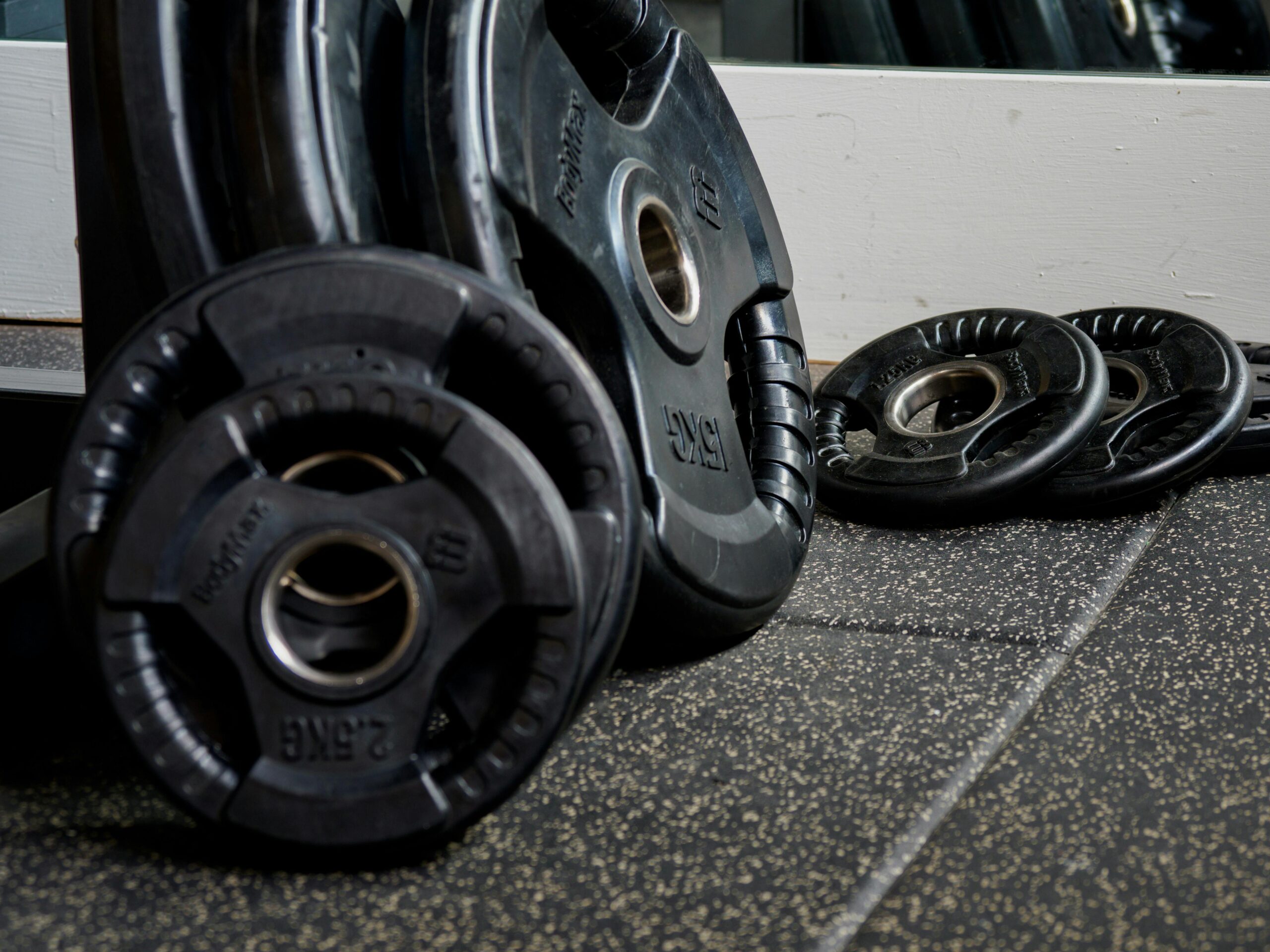
Weight plates are the “fuel” for your barbell. They come in various sizes—usually ranging from 2.5 lbs up to 45 lbs (or 55 lbs in some sets). While their job is simple (to be heavy), the material they are made of changes everything about how your garage gym feels, sounds, and functions.
[2. Why You Need It in Your Garage]
You can’t get stronger without adding weight.
- The Foundation of Strength: Plates allow for “Progressive Overload.” This week you lift 100 lbs; next week you add two 2.5 lb plates. That’s how muscles grow.
- Versatility: Plates aren’t just for the bar. You can hold a 25 lb plate for weighted lunges, Russian twists, or overhead presses.
[3. The Great Debate: Iron vs. Bumper Plates]
When I started my lab, I had to choose between the “clink” of iron and the “thud” of rubber. Here is the honest breakdown:
- Classic Iron Plates (The Old School):
- Pros: Price. They are almost always the cheapest option. They are also thinner, meaning you can fit more of them on the bar.
- Cons: Noise and Damage. They are loud. If you drop them, they can crack your concrete or the plates themselves. They also tend to rust if your garage is humid.
- Bumper Plates (The Modern Standard):
- Pros: Safety and Quiet. These are made of high-density rubber. You can drop them from overhead (safely), and they are much quieter. They protect your floor and your barbell.
- Cons: Thickness. Because they are rubber, they are wider. You might run out of room on your barbell sleeves if you become a super-heavy lifter. They also cost more than iron.
[4. Jax’s Lab Advice: The “Hybrid” Strategy]
If you are a beginner on a budget, you don’t have to choose just one! Here is the strategy I used:
- Buy one pair of 45lb Bumper Plates. These will be the “base” of your lifts. Since they are the same diameter as iron plates but made of rubber, they will hit the floor first and absorb the shock.
- Fill the rest with Iron Plates. Buy 25s, 10s, and 5s in iron (ideally used/second-hand) to save money.
- Check the Hole: Make sure you buy plates with a 2-inch center hole to fit your Olympic barbell. 1-inch “Standard” plates will not fit!
[5. Pros & Cons]
- Pros: Indestructible (especially iron); essential for progress; high resale value.
- Cons: Takes up a lot of floor space; expensive to ship (look for local pickup options!).
[Conclusion: Iron is Iron]
At the end of the day, 45 lbs is 45 lbs. Whether it’s a rusty plate from a garage sale or a brand-new colored bumper plate, the muscle doesn’t know the difference. Start with what you can afford, protect your floor, and just keep adding weight to the bar.
Next Step: Want to move your body instead of just moving iron? Read my next post: [Pull-Up Bars: The Best Way to Build a Strong Back with Zero Weights].
Leave a Reply